From choosing a hemline to balancing texture and accessories, this guide makes the occasion feel easier to dress for.
What Counts as a Semi-Formal Dress
The dress code between cocktail and gown, decoded
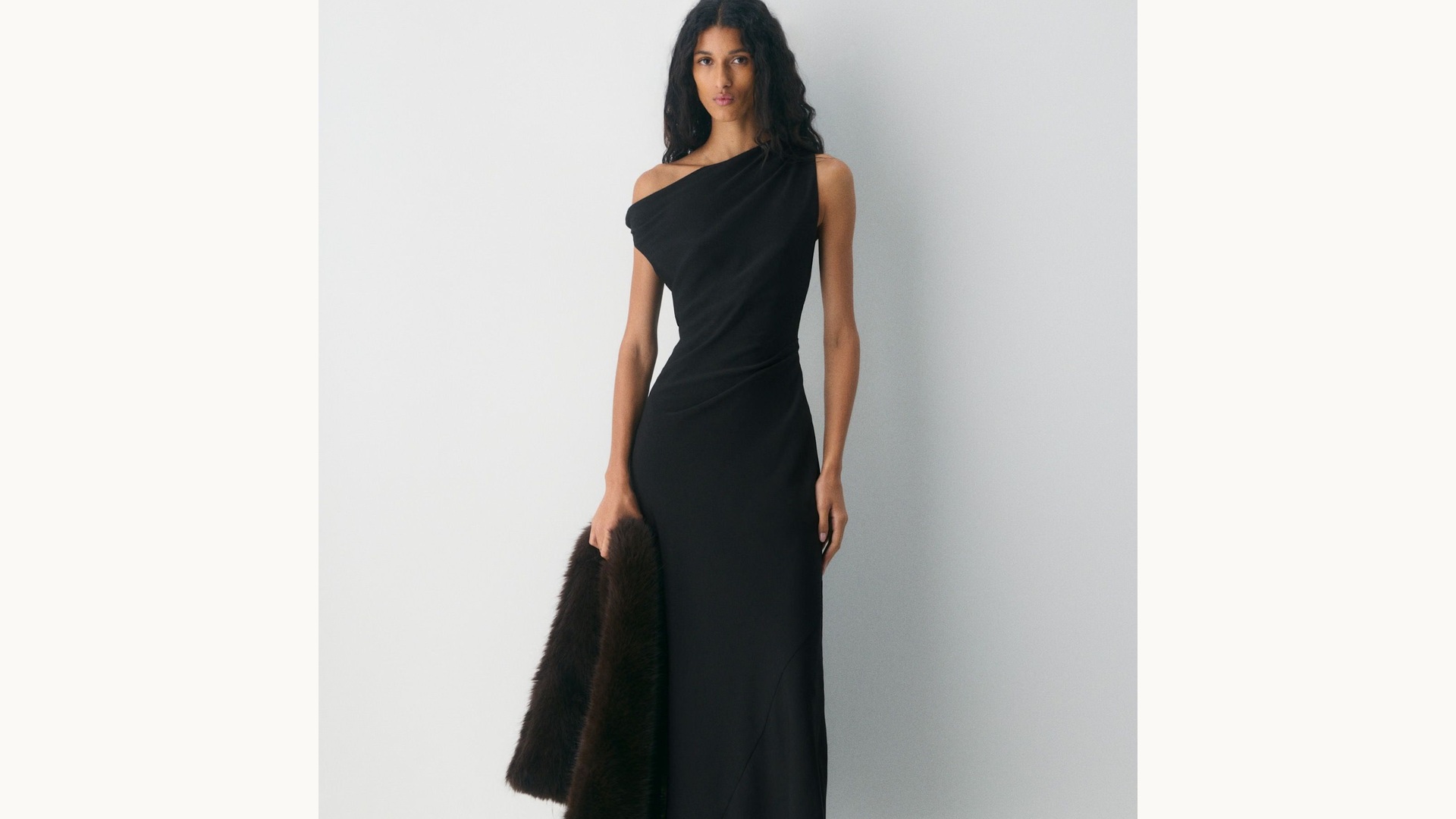
“Semi-formal” is the invitation’s middle ground: more polished than everyday clothes, less ceremonial than a floor-length gown. Think of it as a cue to arrive looking considered without dressing for a black-tie room. A midi hem is an easy starting point because it feels special yet leaves room to move; a neat knee-length shape can work just as well when the fabric and finish feel refined. Satin, velvet, lace, crepe and softly structured woven materials all bring a sense of occasion, while a clean neckline or a defined waist keeps the look intentional. The setting matters. An evening reception may call for richer texture or a sharper silhouette, while a daytime celebration can feel right in a lighter color or a fluid shape. Keep comfort in the calculation too, especially if the event includes hours of standing, dining and dancing. Length is a guide, not a rule: check whether the hem sits comfortably when you sit, climb stairs or cross a room. Details such as a covered shoulder, a graceful slit or a smooth drape can make a simple silhouette read more event-ready. A semi-formal choice should feel like you, only a little more deliberate.
Midi Dresses

Nalani Pleated Midi Dress
MILLY
$332

Velvet Knot Shoulder Midi Dress
Donna Morgan
$111

Boho Beauty Midi Dress
FARM Rio
$223.50

Spaghetti Strap Fit & Flare Midi Dress
HALSTON
$179

Alanah Halter Neck Satin Midi Dress
Steve Madden
$53.55

Maeve Midi Dress
ASTR the Label
$128

Titus Midi Dress
Lovers and Friends
$168

Aaliyah Midi Dress
Camila Coelho
$63
Start with the dress’s strongest feature and let the rest of the outfit support it. For a satin or velvet surface, keep jewelry streamlined so the fabric holds attention; a single pair of earrings or a slim bracelet is often enough. A defined waist pairs well with a small clutch and a shoe with a clean line, while a wrap or softly draped shape welcomes a delicate necklace or a fine belt. Consider the clock and the venue: a daytime garden gathering may suit lighter layers and lower heels, whereas an evening room can carry deeper tones and a more sculptural shoe. If the weather is uncertain, add a neat jacket, cropped cardigan or tailored coat that can be removed without disrupting the silhouette. Make sure the hem clears the ground and the neckline stays comfortable when you move. A quick mirror check from the side and back catches shifting straps, cling and any tugging before you leave. The finished effect should look composed, not overworked. A compact bag and one thoughtful finishing touch, such as a hair pin or polished cuff, help connect the look without competing with the dress. Choose pieces you can wear all evening.
Cocktail Dresses

Ruffle Sleeve Cocktail Dress
Eliza J
$158

Crepe Off The Shoulder Cocktail Dress
Lauren Ralph Lauren
$136.50

Gia Floating Mesh-Overlay Long-Sleeve Fitted Cocktail Dress
Marcella
$152.25

Beaded Mesh Midi Cocktail Dress
Pisarro Nights
$106.99

Mademoiselle A-Line Lace Cocktail Dress
Kiyonna
$168

Stretch Taffeta Faux Wrap Midi Cocktail Dress
Alex Evenings
$199

Dida Funnel Neck Cocktail Dress
NIKKI LUND
$175

One-Shoulder Maxi Cocktail Dress
Chelsea28
$47.60
Our honest take
We think the most reliable semi-formal dress is the one that respects the occasion without making you feel costumed. A midi shape often solves the brief because its length bridges a dinner reservation and a lively reception, but a shorter cocktail dress can be equally right when the cut is refined. Texture does useful work: satin gives a soft gleam, velvet lends depth, and lace or crepe adds detail without demanding a grand entrance. The invitation, venue and time of day are better guides than a strict formula. When in doubt, choose a silhouette you can sit and move in, then make the accessories slightly dressier than your everyday choices. We would rather see ease and intention than an outfit that feels borrowed from another kind of event.