How to redeem a Living Proof promo code
- 1. Add your selected items to your shopping bag at Living Proof.
- 2. Open your bag and continue to checkout.
- 3. Find the field labeled Promo Code or Gift Card, then enter your code and apply it.
By Phia
Living Proof was founded in 2005 in Cambridge, Massachusetts, when MIT scientists led by Dr. Bob Langer teamed up with stylists to build haircare on science. It develops formulas in its own labs and says it holds more than 120 global patents, behind No Frizz, Full and Perfect Hair Day.
Everything you need to know to get the best deal at Living Proof
Phia finds the working code — and applies it before you pay.


Editorial
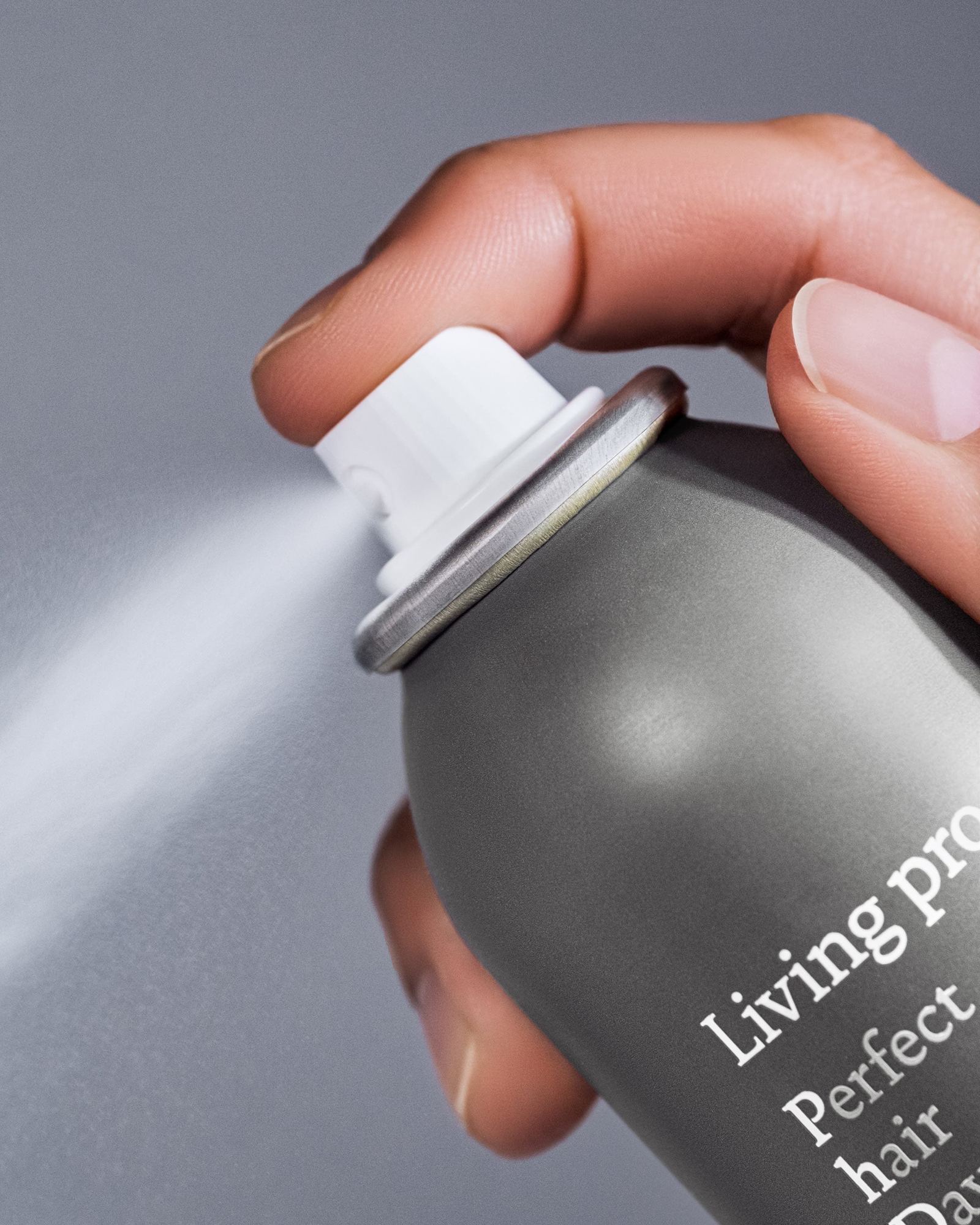
Living Proof started with a skeptic: an MIT professor who called the industry's claims bogus, then agreed to tackle frizz. Here is how I would use the brand's dry shampoo and styling line, plus the other dry shampoos, smoothers and volume sprays worth comparing.
Editorial
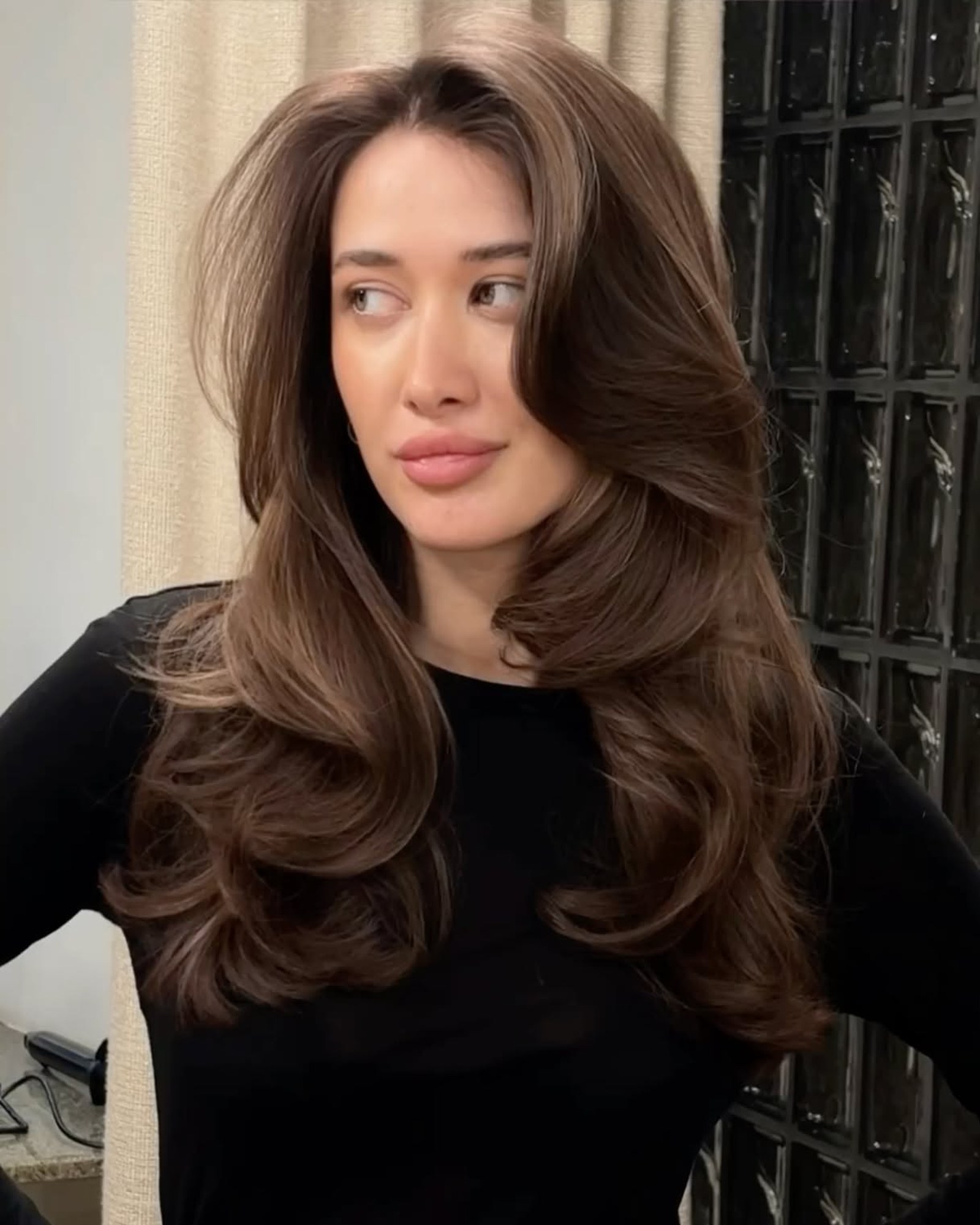
Living Proof shampoo came out of a 2005 partnership between MIT scientists and hairstylists in Cambridge. Here are eight Living Proof shampoos and dry shampoos, plus the conditioners and treatments that go with them.
Editorial
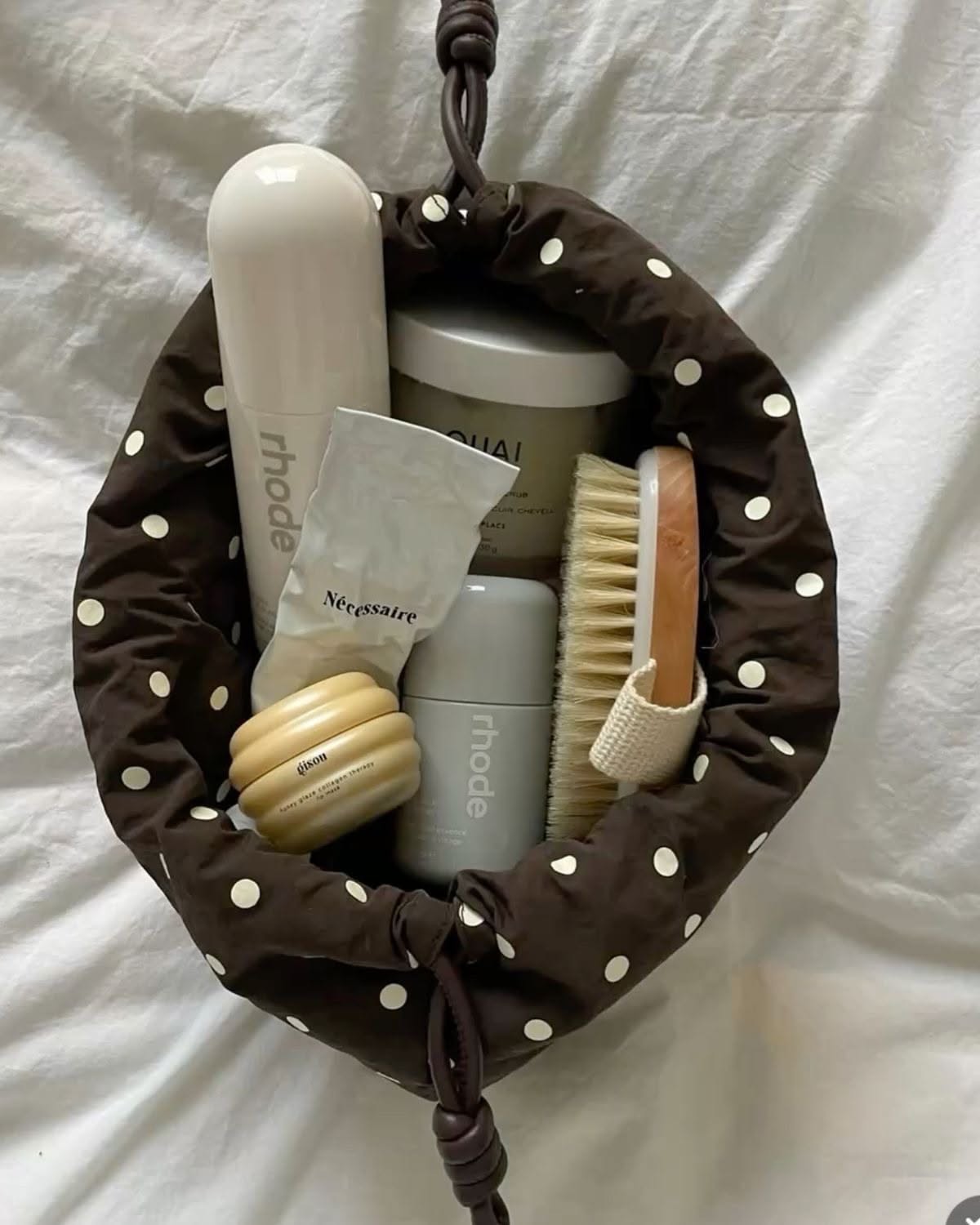
Travel size beauty only earns a place in the carry-on if it does two jobs or keeps a routine intact. These are the minis, travel sprays and small tubes I would actually pack, from a soy face wash to a dry shampoo that saves a hotel morning.

Editorial
Living Proof is worth trying when a formula matches your hair concern, especially oiliness, flat roots, or frizz, but it is a premium purchase rather than a universal pick. This review weighs its science-led positioning against product-specific testing, hair-type fit, and return terms.
Editorial
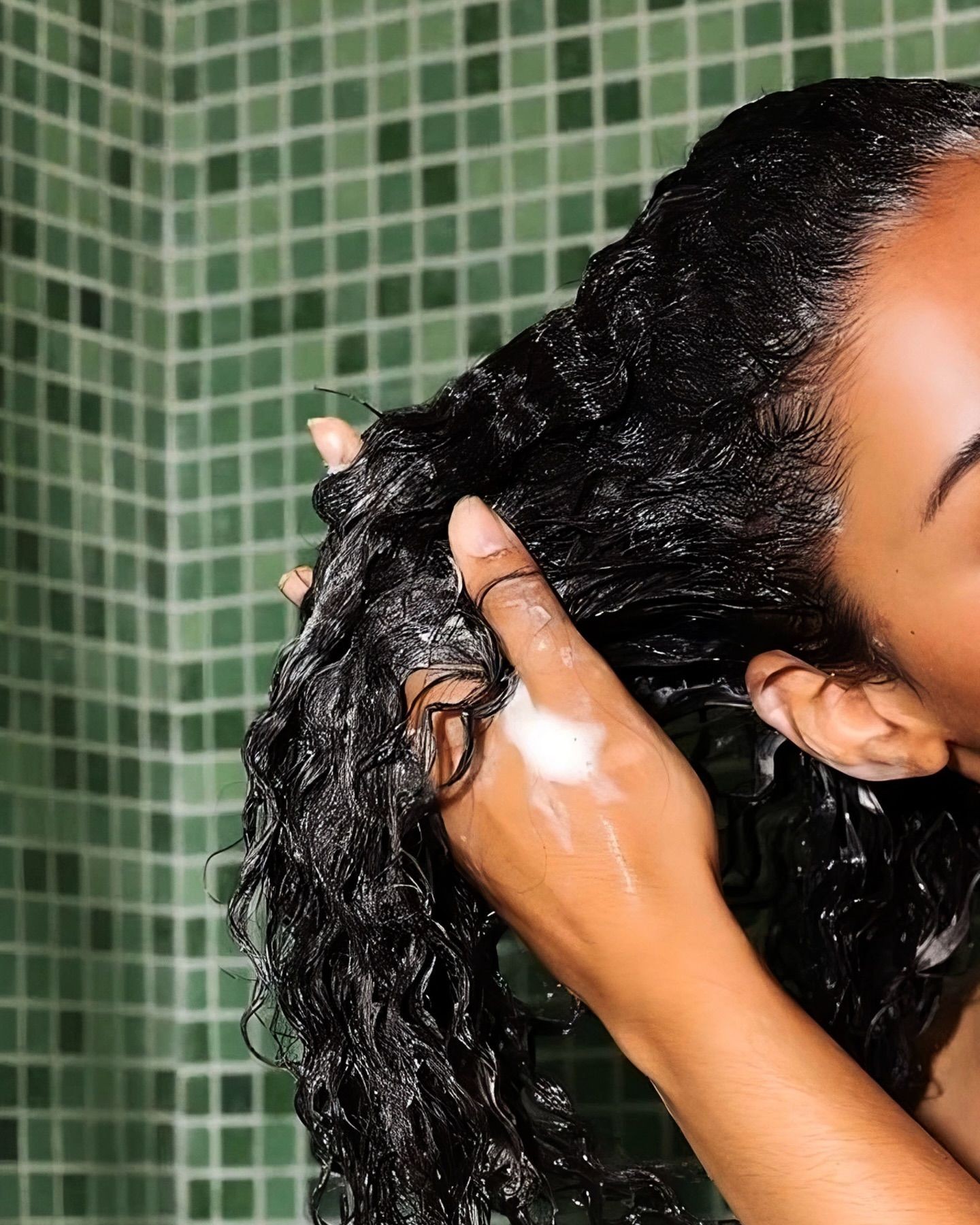
Carol's Daughter curl care starts with creams, oils and conditioners from a line that began in a Brooklyn kitchen in 1993. I sort the defining creams, leave-ins and shampoos I would build a curl routine around.

Editorial
Bond building systems went from a salon secret to a mainstream shelf, led by Olaplex and K18. I go through the names that made it mainstream, then masks for deeper repair and serums.
Editorial
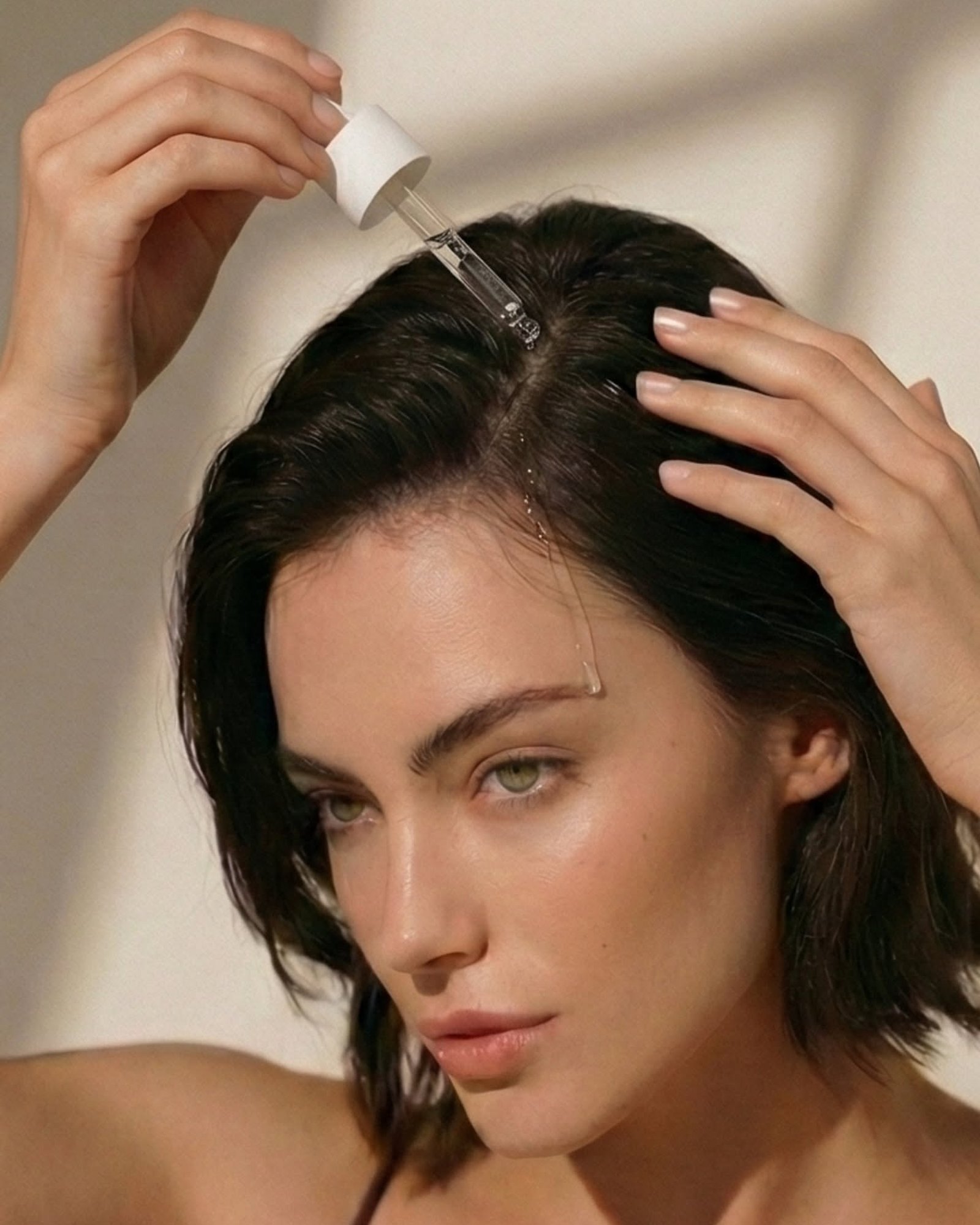
Scalp serums for hair density are cosmetic treatments that promise thicker, fuller-looking hair and less shedding, not a drug that regrows it. I start with the 1988 minoxidil story, then sort sixteen serums for thinning hair and fuller-looking hair.
Editorial
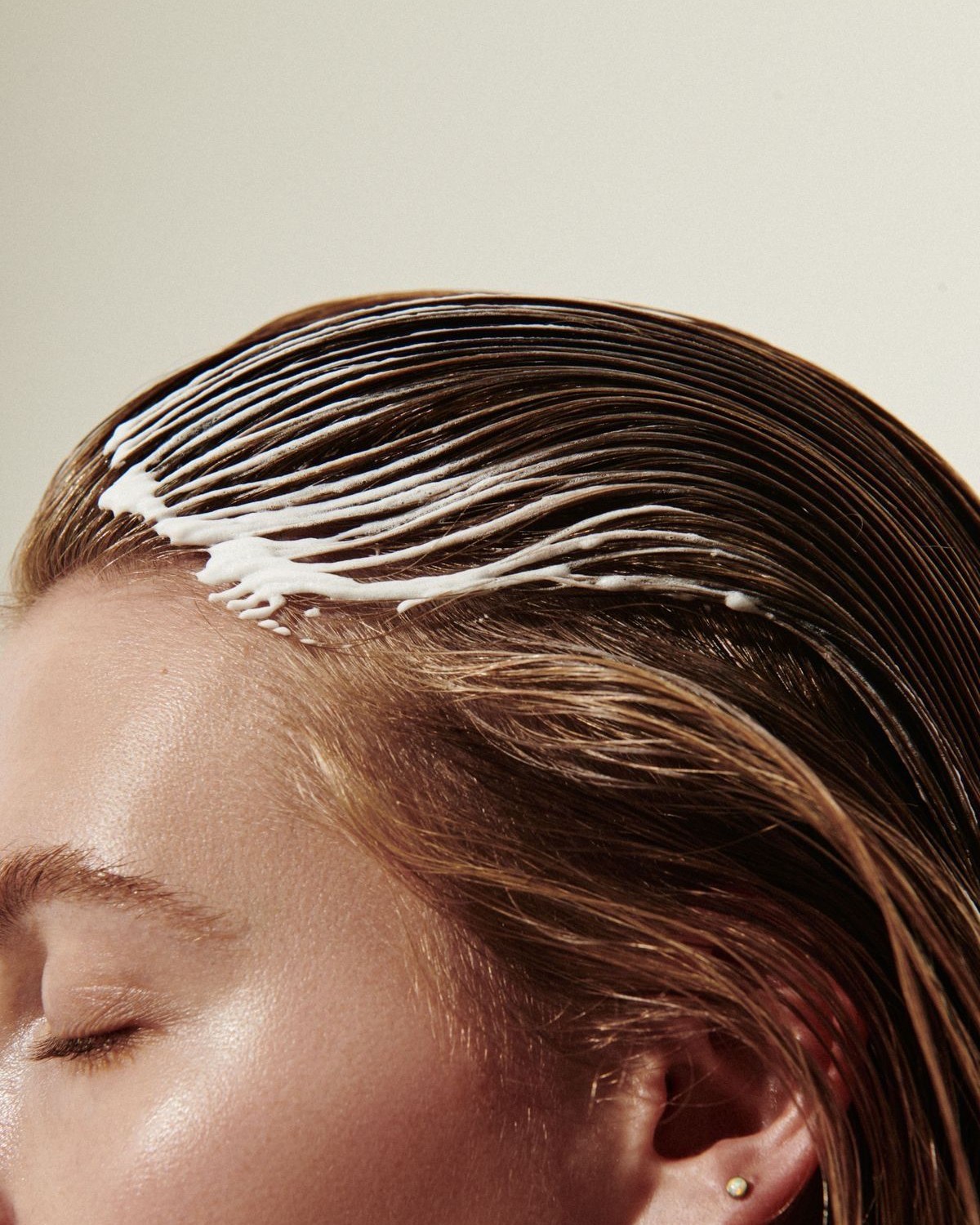
A clarifying scalp scrub or shampoo lifts the buildup that makes hair look heavy and flat, from styling products to hard water minerals. I compare the shampoos with scalp scrubs and pre-wash treatments, add clarifying skin care for the face, and cover how often to clarify.
Editorial
Pantene shampoo has been around since 1945, and its name still points back to panthenol. Here are the three Pro-V bottles I would start with, other moisturizing shampoos that share the same aim, and the conditioners that finish the job.
Editorial
Hair porosity is how well your strands take in and hold on to moisture, and it can change after color, heat and time. Here is how I would read yours without the float test, then the leave-ins, bond builders, oils and tools that match each type. Start with how your hair behaves, then pick the product.
Editorial
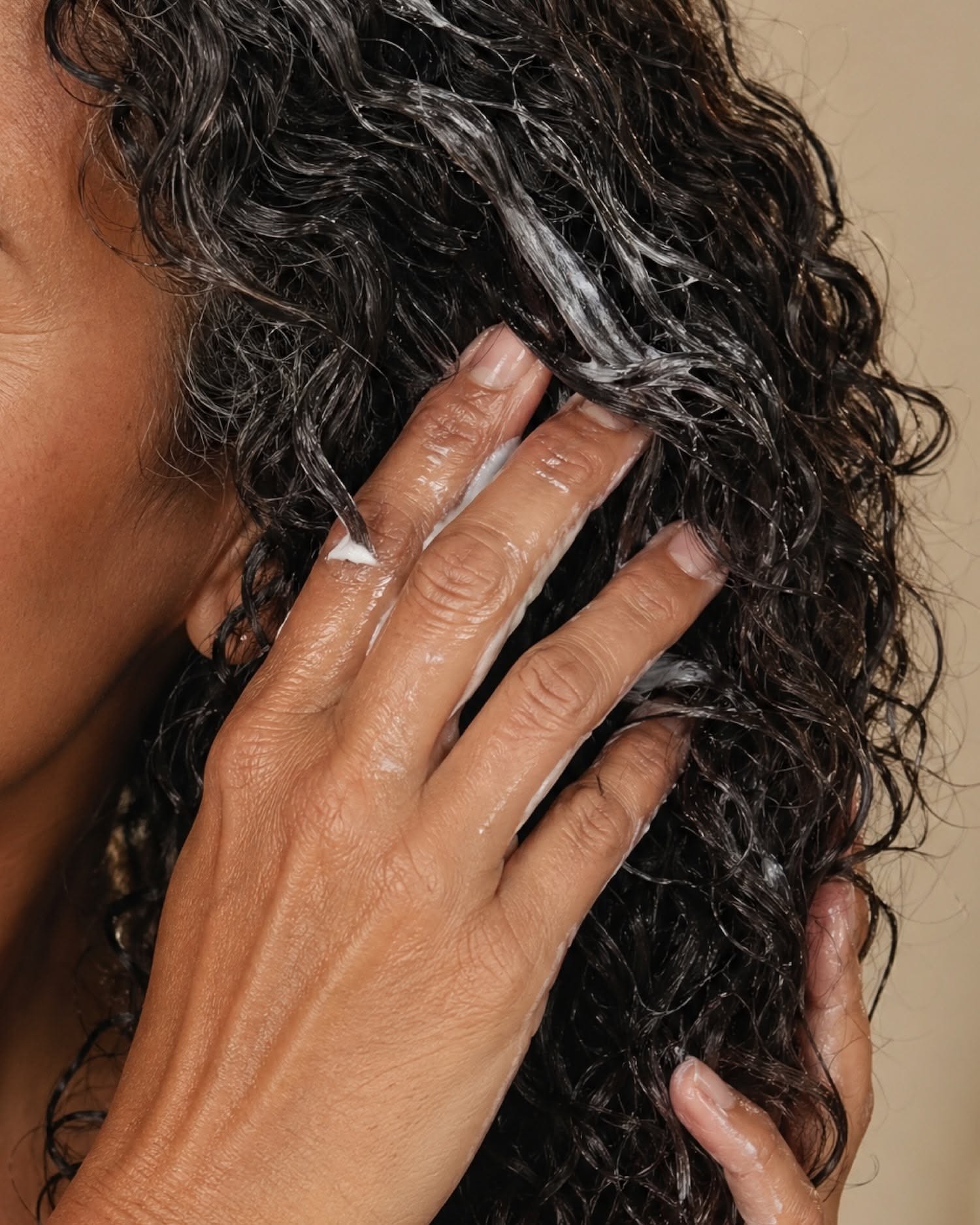
The best conditioner for curly hair is a rinse out with plenty of slip, plus a weekly mask or leave in when curls feel dry. I went through rinse outs, masks, co washes and leave ins, then built a simple wash day around them.
Editorial
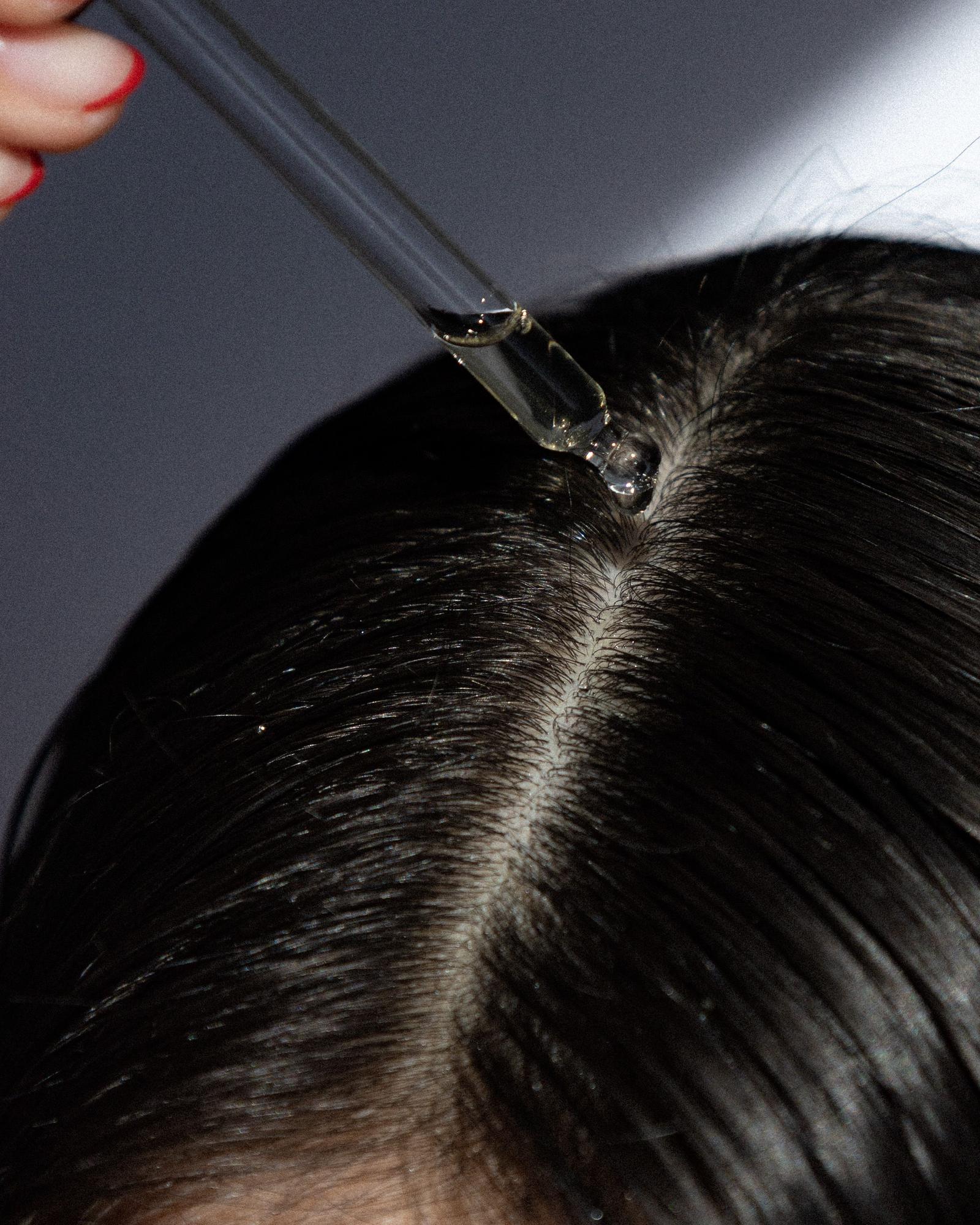
Oil for hair growth is one of the most searched hair ideas, and the honest answer is that oils and serums support a healthy scalp while the proven treatment is still minoxidil. These are the pre-wash scalp oils I would try, the scalp serums and tonics for thicker-looking hair, and the massagers that make the routine feel good.


